What Are the 5 Most Overlooked Signs of Document Tampering?
Sreyan M Chowdhury | 31st December, 2025
4 min reads

Sreyan M Chowdhury | 31st December, 2025 | 4 min reads
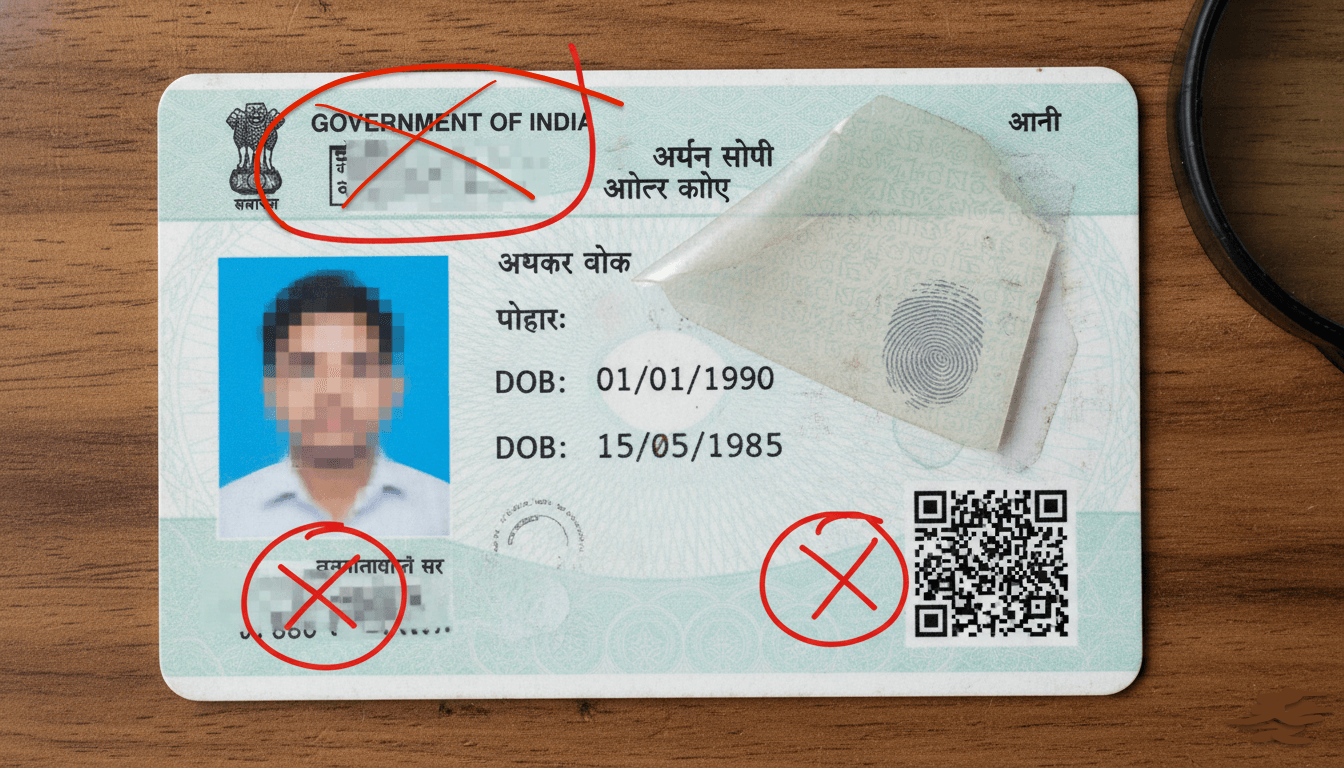
Imagine signing a contract only to find out later that your signature isn’t the only thing on the document that’s been altered. With digital forgeries skyrocketing, how can you spot the subtle signs of manipulation before it’s too late? This post uncovers the five most overlooked red flags and equips you with the knowledge—and tools—to protect your data.
Introduction: The Invisible Threat
Document tampering is a silent epidemic. In 2024, digital document forgeries accounted for 57% of all document fraud. A single undetected alteration can lead to severe financial loss or legal consequences. As forgeries grow more sophisticated, the human eye alone is no longer enough. This is why businesses are turning to document processing automation and AI document processing to identify tampering by detecting anomalies and validating data against trusted sources.
The 5 Overlooked Signs of Tampering
1. Inconsistent Signatures & Dates
Even slight variations in a signature’s slant, size, or pen pressure can indicate forgery. Similarly, look for:
Dates that appear altered or missing
Faint erasure marks or mismatched ink
Minor inconsistencies in handwriting style
2. Unusual Writing Patterns
Subtle changes in writing flow or pen pressure within a document can be a red flag. Signs include:
Hesitation marks or uneven letter spacing
Overlapping or cramped text
Continue reading this article
You're just one step away. Complete the quick form below to
unlock this article — and explore the rest of our blogs.
About the author
Sreyan M Chowdhury
Marketing Manager
Sreyan M Chowdhury | Marketing Manager
He is passionate about technology, automation, and SaaS. Blends creative strategy with data-driven insights to drive growth and streamline digital experiences. Always exploring new tech to stay ahead of the curve.
Interests: AI, Automation, SAAS
Content Overview
Share
FEATURED



Insurance
5 Ways Agentic AI is Transforming Insurance Industry
This blog explores how pioneering insurers are leveraging Agentic AI to solve critical challenges—from eliminating claims backlogs to hyper-personalizing policies—while addressing ethical and operational hurdles.
Sreyan M Chowdhury
30th March, 2025